
Getting the wrong fastener into your assembly line is the kind of mistake that keeps engineers awake at night. A failure in a single joint can cascade through an entire structure, and in aerospace, that’s not just a production delay or a recall. That’s a safety incident. The stakes are different when you’re working with components that literally carry human lives. This reality isn’t lost on manufacturers in the industry. Any competent aerospace fastener supplier understands the burden of that responsibility and builds quality systems accordingly.
Your choice of manufacturing partner will determine whether your strategy protects you or leaves you exposed. When you’re searching for the right aerospace fastener supplier, you need to understand the standards that govern these components and the certifications that separate reliable manufacturers from everyone else.
Why Material Standards Exist in Aerospace Manufacturing
Aircraft experience forces most products never encountered. Metal fasteners inside a jet engine spin at thousands of RPM in temperatures that would melt many materials. Wings flex hundreds of thousands of times during an aircraft’s service life. Landing gear absorbs impact loads that would destroy ordinary hardware. These extreme conditions didn’t create the need for standards. They created the need for precision and accountability. Any aerospace fastener supplier worth your time understands this reality.
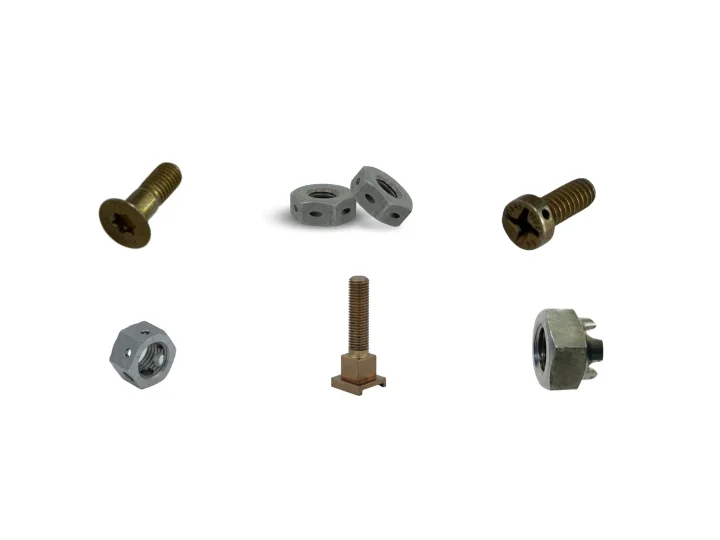
Standards like NAS, MS, AN, and AS were developed specifically to prevent failures. Each standard defines exact specifications for material composition, tensile strength, shear strength, and dimensional tolerance. A NAS fastener isn’t better because it costs more. It’s better because it meets repeatable, measurable criteria that aerospace engineers trust. When you specify a particular standard, you’re not just ordering a bolt. You’re ordering a component that will perform in ways you can predict and verify.
Without standards, every supplier could interpret “strong” differently. One manufacturer might use steel that works fine at sea level but becomes brittle at high altitude. Another might cut corners on heat treatment to save money. Standards remove that guesswork. They ensure that any aerospace fastener supplier delivering a compliant part is meeting the same baseline requirements.
See also: Social Media Technology Trends
Understanding What Certifications Actually Protect You
Certifications matter more than marketing claims. This is critical to understand. When you’re evaluating an aerospace fastener supplier, certifications tell you what processes and quality controls are actually in place. They’re not just paperwork. They’re evidence of independent audits and ongoing compliance.
AS9100 certification is aerospace-specific. A supplier holding this certification has demonstrated that they understand the industry’s requirements and have systems in place to meet them consistently. This means traceability. It means your fasteners can be tracked back to specific manufacturing batches and test data. If a problem surfaces, you know exactly which parts are affected.
ISO 9001 shows that a supplier has a general quality management system. They document processes, they train employees, they monitor performance. But aerospace fastener suppliers need more than general quality control. They need NADCAP accreditation for specific processes like heat treatment, nondestructive testing, and chemical processing. NADCAP audits are more demanding than standard certifications. They verify that suppliers have the specialised equipment and expertise to deliver aerospace-grade components.
When evaluating a supplier, ask for proof of these certifications. Not just copies, but dates of the most recent audits. A certification from five years ago with no recent renewal is a red flag. Aerospace suppliers should maintain current certifications because the standards and requirements change.
Material Grade Verification Separates Real Suppliers from Others
Any company can claim to sell aerospace fasteners. Few can actually manufacture them to specification. Material traceability is where this becomes obvious.
Your aerospace fastener supplier should provide Mill Certificates or Certificates of Conformance with every shipment. These documents show the fastener’s origin, its exact chemical composition, and the results of physical testing. Tensile strength testing, hardness testing, dimensional check; these tests shouldn’t be optional. They should be standard practice.
Ask your supplier about their material sourcing. Do they have long-term relationships with material mills they trust? Do they test incoming material, or do they trust the mill certificates completely? The answer matters. Some suppliers batch-test material. Others test every heat lot. The level of scrutiny depends on the criticality of your application.
If a supplier seems evasive about their testing procedures or material sourcing, look elsewhere. Transparency here isn’t an extra perk. It’s basic professionalism in aerospace manufacturing.
Supply Chain Testing and Traceability Reduce Your Risk
Your aerospace fastener supplier needs systems that track components from raw material through final shipment. This isn’t paranoia. It’s insurance against disasters.
In-process testing during manufacturing catches defects before they reach you. Heat treatment verification ensures fasteners are hardened correctly. Dimensional inspections confirm that every bolt or screw meets specifications. Nondestructive testing, like ultrasonic or magnetic particle inspection, can find internal flaws invisible to the naked eye.
Getting Started with the Right Supplier
Your aerospace fastener supplier should welcome detailed questions about standards, certifications, material sourcing, and testing. If they treat these questions as burdensome or confidential, that’s a warning. Legitimate suppliers are proud of their processes.
Start by requesting copies of certifications and asking when the most recent audits occurred. Request sample Certificates of Conformance. Ask about their testing capabilities. Discuss traceability systems and how they handle nonconforming parts.
The supplier relationship in aerospace is different from other industries. You’re not just buying fasteners. You’re buying reliability, safety, and the peace of mind that comes from knowing your components will perform exactly as specified. Choose accordingly.


 By
By