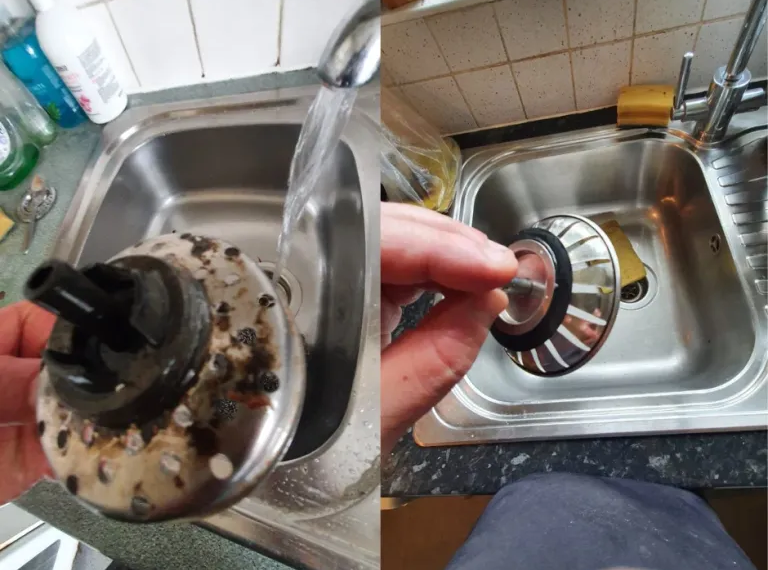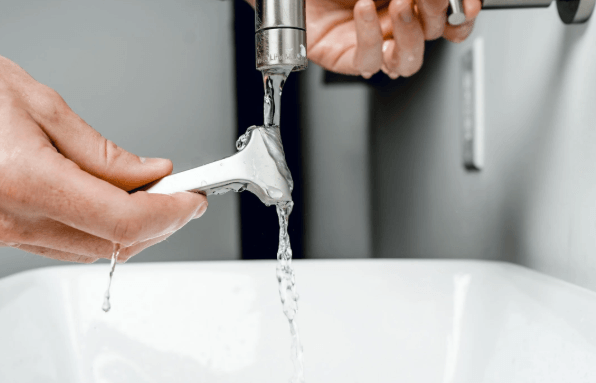

Plumbing failures show as leaks, unusual noises, pressure changes, or high bills. Identifying whether the issue lies with fixtures, piping, or the supply guides the approach. Gather essential tools, observe safety, and prepare materials before testing. Begin with a systematic diagnosis, disassemble only after locating the source, and try simple unclogging methods first. If issues persist, escalate tests gradually and consider professional help when complexity exceeds expertise, then plan preventive steps to avoid recurrences.
What Troubles Are You Facing and How to Confirm Them?
Common plumbing problems can signal underlying issues that require attention. The section describes how to recognize trouble and confirm its source. It focuses on identifying symptoms and verifying causes, enabling informed decisions. Observations include unusual noises, leaks, pressure changes, and unexpected water bills. Systematic checks help distinguish between fixtures, piping, or supply problems, guiding appropriate, timely repairs without unnecessary speculation.
Essential Tools and Safety Steps for Home Plumbing Fixes
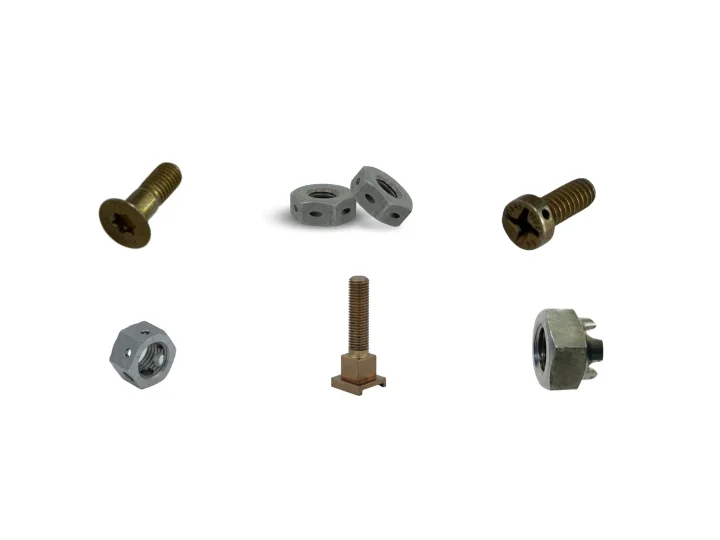
Essential tools and safety steps form the foundation of effective home plumbing repairs. A detached observer notes that essential tools enable accurate work, while safety steps minimize risk during plumbing fixes. Proper preparation reduces errors, and disciplined practices support durable home repairs. Clear expectations, verified materials, and organized workspaces ensure consistency without unnecessary repetition, preserving efficiency and safety for competent, independent projects.
Step-by-Step Fixes for Common Leaks, Clogs, and Pressure Issues
Addressing typical household leaks, clogs, and pressure issues requires a structured, methodical approach.
Step-by-step fixes begin with systematic leak diagnosis, verifying source and severity before disassembly.
For clogs, apply targeted clog remedies, starting with simple tools and progressing to safe remedies to prevent damage.
Each measure concludes with pressure testing, ensuring stability and functionality before final restoration.
How to Prevent Future Problems and Know When to Call a Pro
Preventing future plumbing problems hinges on proactive maintenance and timely recognition of warning signs. Regular inspections identify leaks, corrosion, and pressure anomalies before failures occur. Implement preventive maintenance schedules, document observations, and address minor issues promptly to extend system life. When thresholds exceed routine care, professional thresholds for assessment and repair protect property, safety, and peace of mind.
See also: Social Media Technology Trends
Conclusion
In conclusion, a careful homeowner might walk by a dripping faucet and hear a distant water hammer, only to discover a shared pipe fault connecting to a neighbor’s outage. The coincidence underscores the value of thorough diagnosis: observe symptoms, test systematically, and verify with pressure checks. When results align with a specific fixture, proceed methodically. If uncertainty remains, the timing aligns with professional input, preventing escalation and ensuring long-term reliability for both property and peace of mind.

 By
By
 By
By