
A leak in a newer house usually leads straight to drying and patching. In an older house, there is often one more question before anyone cuts a wall open. What is in the paint and the drywall mud? Most homeowners never think about it until a technician asks what year the house was built.
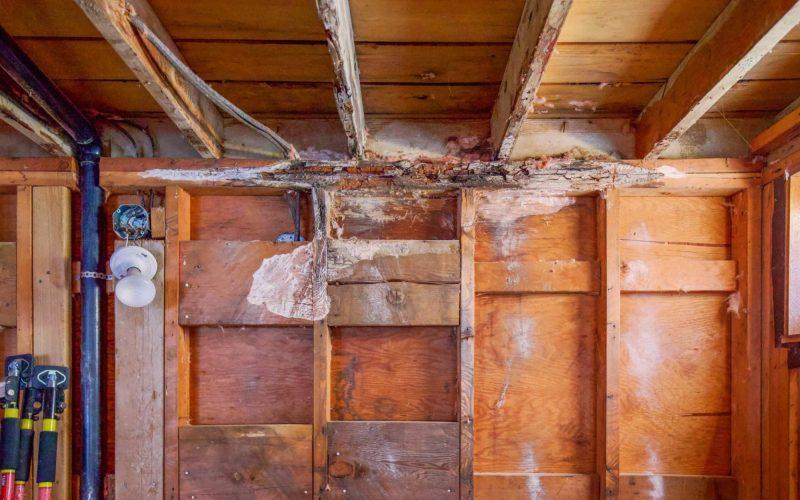
That question is not small talk. Water damage restoration often means removing wet drywall or ceiling texture. If those materials contain lead paint or asbestos, the way they come out matters as much as the drying afterward. Dust from careless demolition can spread through a house and stay long after the water is gone.
Many homes in the South Metro area date back to the 1970s or earlier. Before a crew from Restoration Logistics in Centennial removes damaged materials in a home that age, the house’s build year usually shapes the plan for the first day of work.
What the EPA Lead Rule Means for Water Damage Repairs
The EPA’s Renovation, Repair and Painting rule covers paid work that disturbs painted surfaces in homes built before 1978. The rule applies when a job disturbs more than six square feet of painted surface inside a room or 20 square feet outside. Contractors covered by the rule must be certified firms, with a certified renovator assigned to each job. They must also follow lead-safe work practices. These practices focus on containing the work area and carefully cleaning up dust at the end of each day.
Asbestos is a separate issue. Some homes built before the 1980s may contain asbestos in popcorn ceilings, drywall joint compound, older floor tiles, or pipe insulation. You cannot tell by looking. Only a lab test of a sample can confirm it, and an accredited inspector should take that sample. Wet material is not automatically safer, either, and cutting or scraping it can still release fibers.
Here is why this matters during a water loss.
See also: Cheapest Pregnenolone: The Pitch, the BS, and Who I’d Actually Trust With My Money
How Lead and Asbestos Change Water Damage Restoration
Most restoration steps stay the same. Crews still extract the water and dry the structure, and they still track moisture readings until the materials test dry. What changes is how they handle anything they need to remove.
In an older home, the process often looks like this:
- Confirm the build year and ask about past renovations
- Test suspect materials before cutting or removing them
- Set up containment around the work area when testing shows lead or asbestos
- Use trained, qualified workers for any removal that the results require
- Dry the structure once the affected materials are handled safely
Testing can add a day or two to the schedule. That delay feels frustrating when the carpet is wet, and fans are running. Crews can still extract standing water and start drying areas they don’t need to open, so the wait rarely stalls the whole job.
Questions to Ask Before Work Begins in an Older Home
Some homeowners feel awkward asking a contractor about certifications. It is a fair question, though, and a good company will expect it. Before anyone starts cutting:
- Ask whether the firm is EPA lead-safe certified if your home is pre-1978
- Ask whether they plan to test ceiling texture or joint compound
- Ask how they will contain dust in the rest of the house
- Ask who handles removal if a test comes back positive
- Ask for copies of any test results for your records
The EPA also requires contractors to give owners its Renovate Right pamphlet before covered work in pre-1978 housing. If nobody mentions it, that might be worth a question too.
Keeping Your Family Safe During Repairs
While testing and removal are underway, keep children and pets away from the work area. Pregnant family members may want to stay elsewhere for a few days if lead work is involved, since young children and pregnant women face the most risk from lead dust. Keep doors to the work area closed. Avoid running a shop vacuum over debris yourself, since a regular vacuum can push fine dust back into the air.
Insurance may or may not cover the extra cost of testing and abatement. Policies differ, so ask your adjuster early and share the test results once you have them. Keep the testing invoices too, since some adjusters ask for them later.
Not every older home has lead paint or asbestos. Plenty of houses built in the 1970s test clean, and some were updated long ago. Still, the only way to know is to check before the drywall comes down. A day spent testing is easier to live with than months of wondering what that dust contained.


 By
 By