
Walk through a warehouse, a retail store, a hospital, or even a local café, and you’ll find labels everywhere. Most people barely notice them. They sit quietly on boxes, products, shelves, equipment, and packaging, doing their job without attracting much attention. Yet if you removed every label from a business for a single day, things would get messy very quickly.
Products would be harder to identify. Deliveries could end up in the wrong place. Inventory counts would become less accurate. Safety information might be missed. In many industries, work would slow down almost immediately. For something so small, sticker printing labels carry a surprising amount of responsibility.
More Than Just a Sticker
It’s easy to think of a label as simply something that displays a product name or logo. In reality, labels often carry some of the most important information a business uses every day. A single label might include a barcode, serial number, batch information, handling instructions, safety warnings, pricing details, or shipping information. Sometimes it includes all of these at once. The label becomes a quick reference point. Instead of searching through paperwork or digital systems, staff can find what they need with a quick glance or scan. That simple convenience saves businesses a remarkable amount of time.
See also: How to Fix Plumbing Failures
Keeping Products Easy to Identify
Imagine a warehouse containing thousands of products that look almost identical. Without clear labels, staff would spend valuable time checking paperwork, opening boxes, or manually confirming product details. The risk of mistakes would increase dramatically.
Good labels remove that uncertainty.
Whether it’s a retail item, a spare part, a medical product, or a manufacturing component, labels help ensure the right item ends up in the right place. The bigger the product range, the more important clear identification becomes.
Why Warehouses Depend on Labels
Modern warehouses move fast. Products arrive, get stored, picked, packed, and shipped every day. In many facilities, thousands of items move through the system within a single week.
Sticker printing labels help keep everything organised.
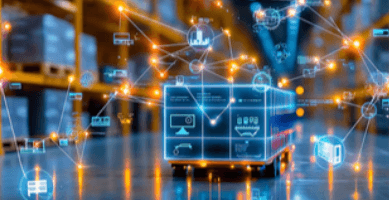
Barcode labels and product identification labels allow inventory systems to work efficiently. Staff can scan items, track stock levels, locate products quickly, and maintain accurate records. Without labels, many inventory systems would struggle to function properly. Even highly automated warehouses still rely on physical labels to connect products with digital information.
Making Shipping Simpler
Think about how many packages move around Australia every day. Every parcel relies on labels to reach the correct destination.
Shipping labels provide addresses, tracking numbers, routing details, handling instructions, and delivery information. They help transport companies sort packages accurately and move them through multiple stages of the supply chain. When labels are clear and easy to read, deliveries move smoothly.
When they’re not, delays, confusion, and additional costs can quickly follow. That’s why businesses often pay close attention to label quality, particularly when products are travelling long distances.
Helping Businesses Stay Compliant
Some industries have strict rules about what information must appear on products and packaging. Food products need ingredient information. Medical products often require batch numbers and traceability details. Chemical products may need safety information and handling instructions.
In these situations, labels do far more than identify a product. They help businesses meet regulatory requirements and provide important information to customers and staff. A missing label can sometimes create far bigger problems than many people realise. For some businesses, compliance labels are just as important as the product itself.
Supporting Workplace Safety
Labels also play an important role in workplace safety. Walk through a factory, warehouse, laboratory, or industrial site and you’ll see labels used to communicate hazards, operating instructions, equipment information, and emergency procedures.
These labels help people make safe decisions quickly.
Employees don’t have time to read lengthy manuals every time they use equipment. Labels provide critical information exactly where it’s needed.
A simple warning label can help prevent accidents, protect workers, and support safer workplaces. It’s a reminder that labels aren’t only about products. They’re also about people.
Not Every Label Is Built the Same
One common mistake businesses make is assuming every label material performs the same way. The reality is that different environments require different solutions.
Paper labels work well for many everyday packaging and product identification applications. Polypropylene labels offer greater durability and moisture resistance, making them suitable for tougher indoor conditions where labels may experience handling or exposure to damp environments. The intended use matters.
A label that performs perfectly in an office may not be the best choice for a refrigerated product, a warehouse environment, or a frequently handled package. Choosing the right material helps ensure labels remain readable and professional throughout their intended lifespan.
Labels Still Matter in a Digital World
With so much business activity moving online, some people assume physical labels are becoming less important. The opposite is often true.
Modern inventory systems, tracking platforms, and supply chain software all depend on accurate physical labels. QR codes, barcodes, and scanning systems only work when labels remain clear, durable, and easy to read. In many ways, digital systems have made good labelling even more important.
The label acts as the bridge between a physical product and the information stored within digital databases. Without that connection, many automated processes simply wouldn’t work.
Small Details, Big Impact
One of the reasons labels are often overlooked is because they usually work so well. When a label does its job properly, nobody notices.
Products are identified correctly. Shipments arrive where they should. Inventory records stay accurate. Staff find what they need quickly. It’s only when labels fail that people realise how much they depend on them.
A barcode that won’t scan, a label that peels away too soon, or information that’s difficult to read can create problems that spread throughout an entire operation. For businesses, small details often have larger consequences than expected.
Final Thoughts
Sticker printing labels may seem simple, but they remain one of the most important tools businesses use every day. They help products move through supply chains, support inventory management, improve workplace safety, meet compliance requirements, and connect physical items with digital systems. While technology continues to evolve, labels continue evolving alongside it.
The materials may improve. The printing methods may change. The information carried on them may become more sophisticated. But the need remains the same. Businesses still need clear, reliable ways to identify, track, organise, and communicate information. And for that reason, labels continue to earn their place across almost every industry.


 By
By